
The Closure Man's Vigilante Narratives
City of GodA retired Times editor invents a new profession as a closure man, killing unpunished war criminals to give stories just endings.
increasing Bearing strength in each event
 decreasing
Bearing strength in each eventdecreasingA Bitter Retired Editor
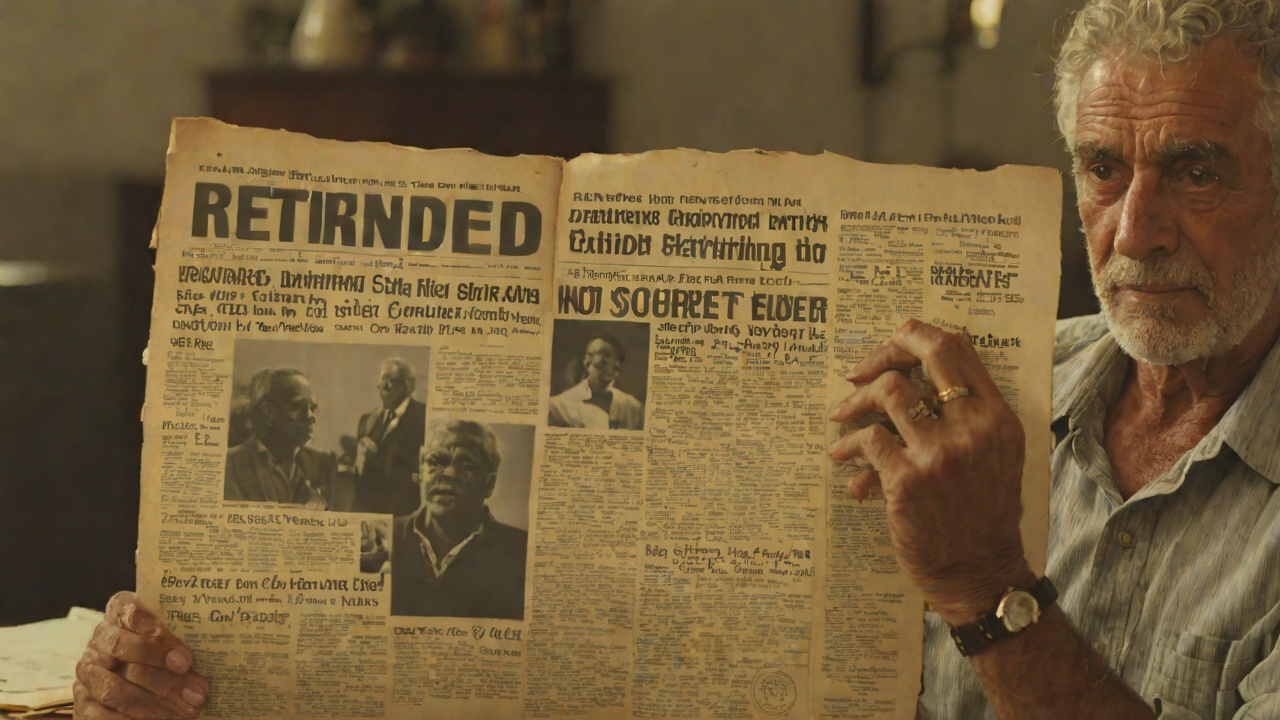
A Bitter Retired Editor
Context
A gray-haired deputy editor leaves the newspaper after a middling career and enters a spiral of self-destructive freedom. He grows a beard, pretends madness on the street, and haunts the West Side piers with prostitutes. None of it transforms him, and he realizes he has no identity apart from the paper.
Significance
The character embodies the conflict between institutional life and authentic being. The newspaper was his world, and its endless unfinished stories have shaped his moral imagination. His bitterness at being undervalued turns outward into a hunger for meaningful closure.
Consequences
He begins to think of all the stories that were never completed because justice arrived too late. The desire to end a story with a just sentence becomes an obsession.
Learning the Uncompleted Stories
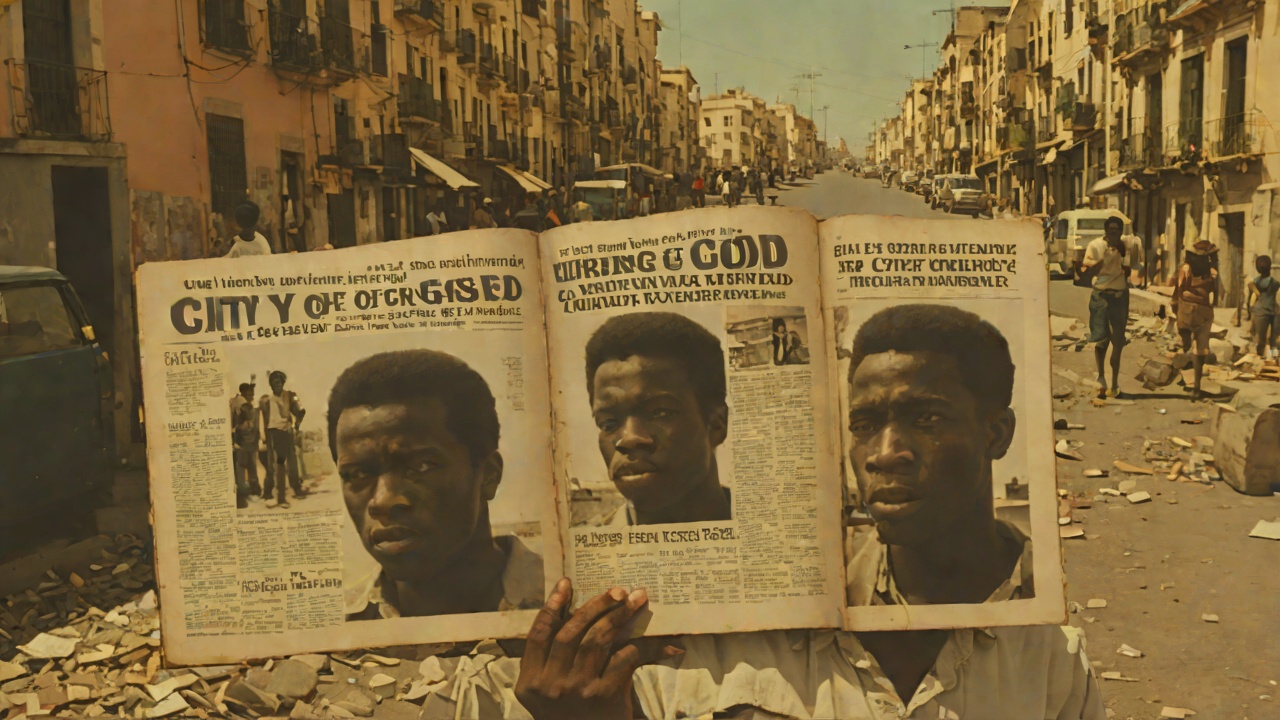
Learning the Uncompleted Stories
Context
The ex-Times man calls on old colleagues and, preserving his bland exterior, gains access to the newspaper's archives. He studies the cases of former S.S. men, death squad commanders, and genocidaires who escaped judgment. He chooses his first target: a former S.S. sergeant living in Cincinnati.
Significance
The clipping files are the source of his new vocation. He sees that simple death is not retribution when a Hitler or a Schmitz dies in bed without sentence passed. He declares himself the closure man, the one who supplies the missing ending to history.
Consequences
He cannot shake the reporter's culture of watching rather than acting. But his resolve hardens as he understands that the Israelis who captured Eichmann had to do what journalists only write about.
The Cincinnati Bicycle Killing
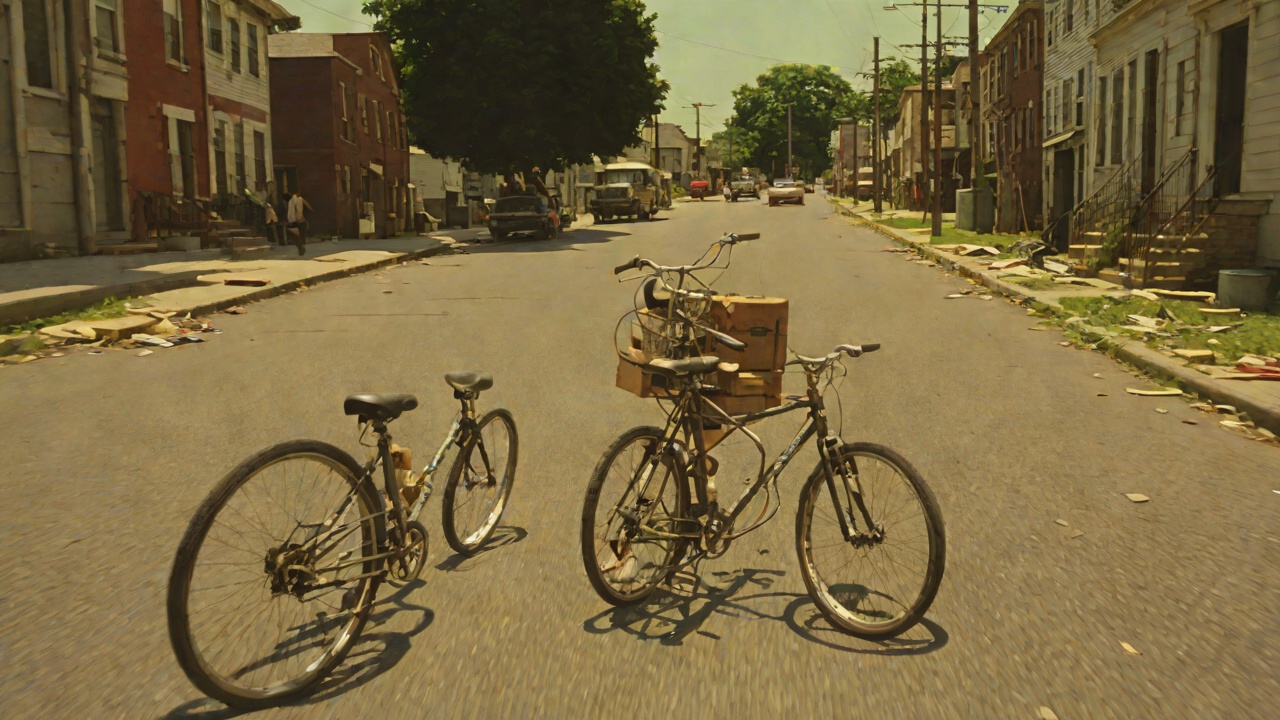
The Cincinnati Bicycle Killing
Context
After buying a three-speed bicycle from a yard sale, the ex-Times man rides through the hills of Cincinnati casing his target. He loses control of the bike, bounces onto the sidewalk, and runs down an elderly man with a cane. The man dies on impact, and the ex-Times man flees. Later he reads that the dead man was the S.S. sergeant he had come to kill.
Significance
The accident is both absurd and satisfying. He convinces himself that his body recognized the old Nazi and acted without conscious direction. The comic brutality of the death fits the moral chaos of a world where such men have grown old in comfort.
Consequences
He is not caught. He returns to New York and begins to imagine himself transfigured, capable of anything, even as the dead man's face stays in his mind.
The Spitting Death of the Colonel
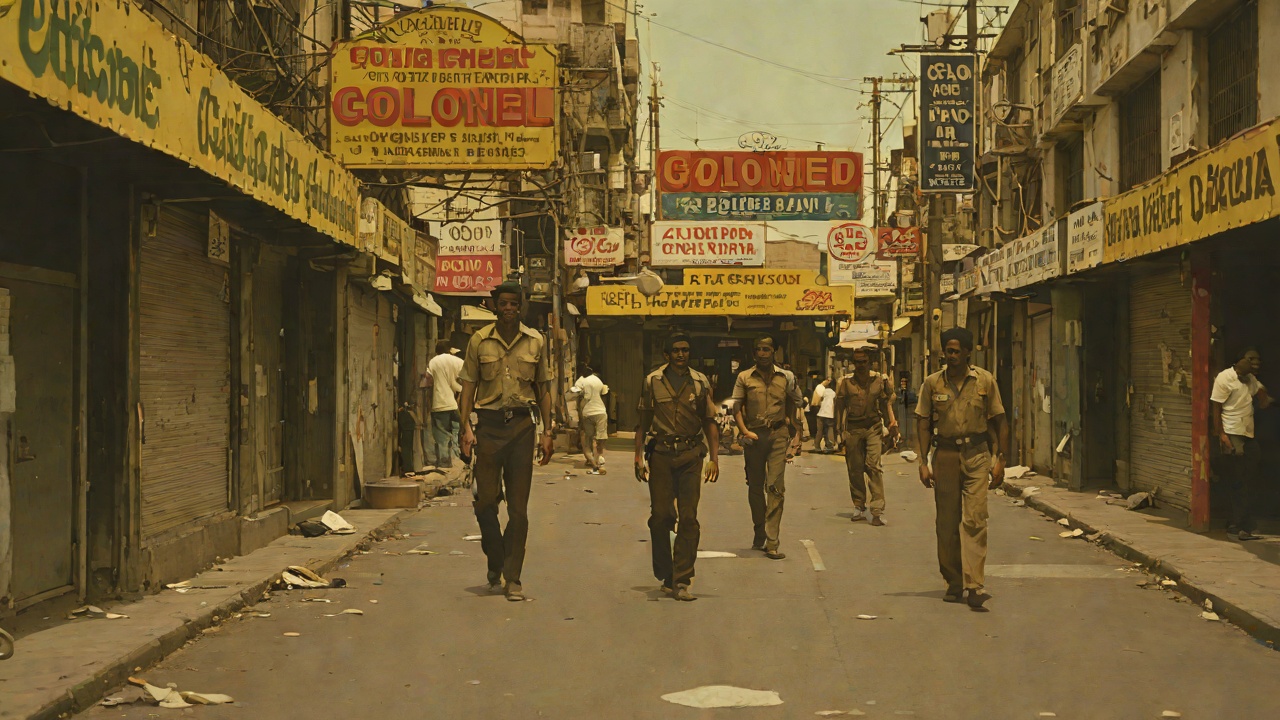
The Spitting Death of the Colonel
Context
The ex-Times man locates a former Guatemalan death squad commander who owns a restaurant in a Queens mall. He carries a carving knife in his breast pocket and prepares to kill him. Two young government men join his table, and the colonel sits down to mock him. In a rage he half-rises and spits in the colonel's face; the colonel falls backward and cracks his skull on the floor.
Significance
The second killing is accidental, absurd, and entirely in the spirit of the first. It suggests that closure cannot be planned or controlled. The desire for just endings collides with the contingency of physical violence and the grotesque comedy of human bodies.
Consequences
The ex-Times man reads of his own deed in the morning paper and realizes he has struck again. He has become a kind of force of nature, no longer a man but a principle of retribution.
The Moral Ambiguity of Closure

The Moral Ambiguity of Closure
Context
The closure man walks through the city with a straighter posture, wearing new clothes, sure of his new calling. Yet his mind is filled with the sonics of skulls cracking against different surfaces and with the recognition that his victims were every bit as embodied as he is. He is no longer the defeated office worker; he is also no longer innocent.
Significance
The narrative asks whether an accidental killing can be called justice. The ex-Times man has supplied endings to two stories, but the endings are messy, indistinguishable from manslaughter. His self-transfiguration is both triumphant and monstrous.
Consequences
The parable remains unresolved within the novel, a cautionary counterpoint to Pem's faith in signs. It suggests that human attempts to close the books on evil may only repeat evil in another form.
shortly after his early retirement from The New York Times
during his first months of freedom, when he visits former colleagues for access to the clips
a few days after he arrives in Cincinnati, while he is surveilling the old Nazi's house
after his reinvention, when he takes a lunch table in a Queens mall restaurant
at the end of his narrative, when he reflects on both deaths
